
Hand washing
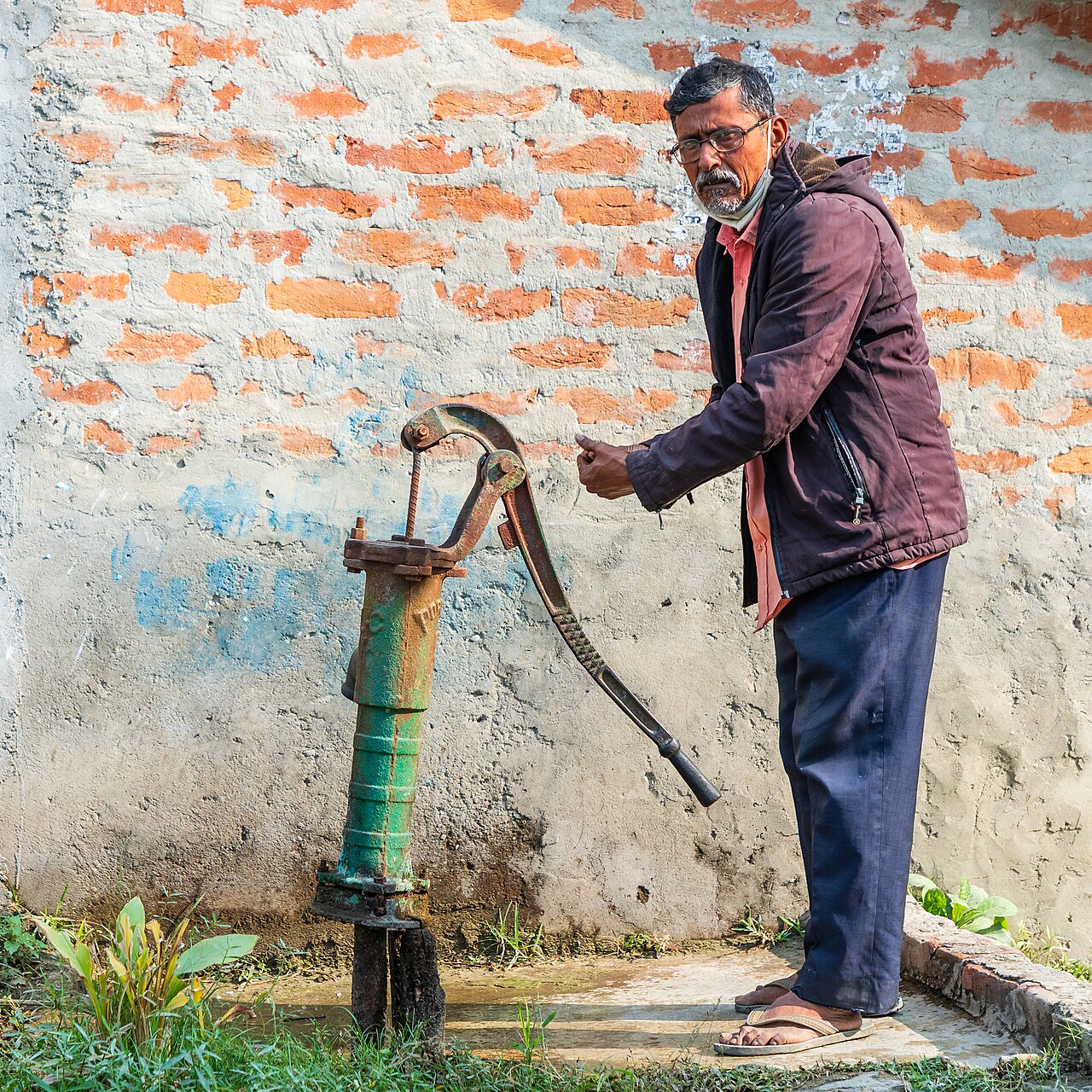
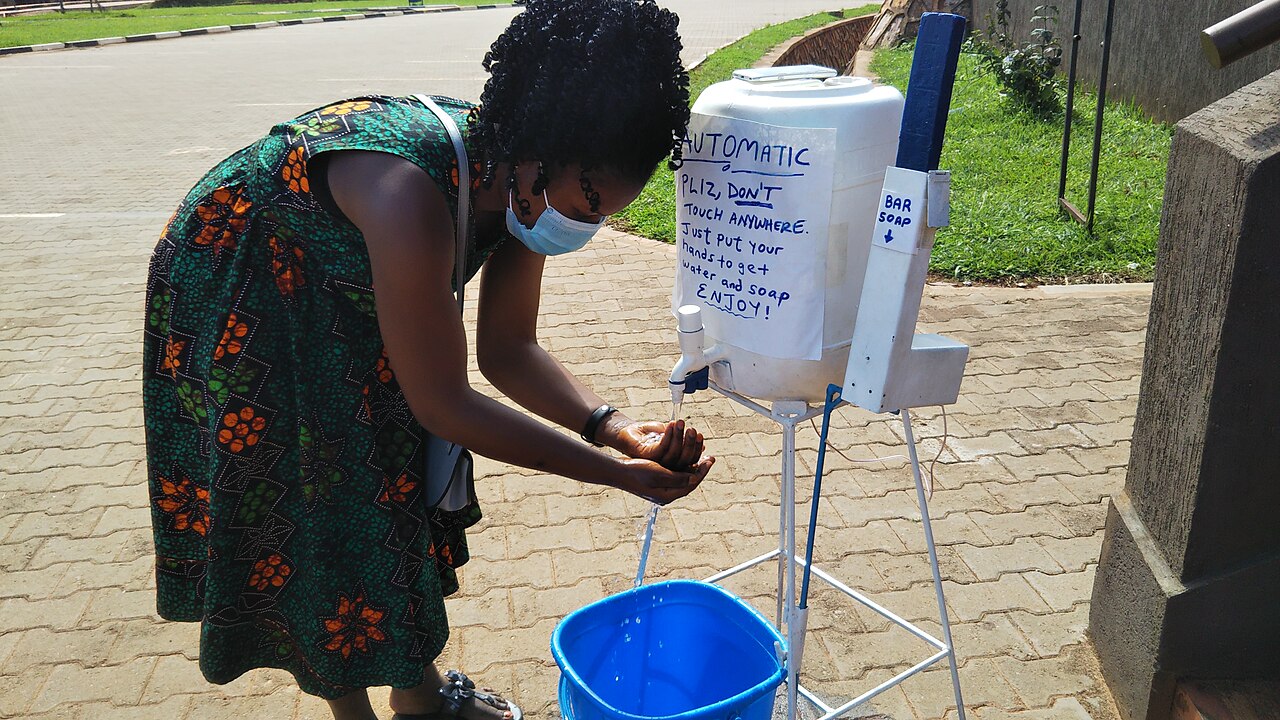
Hand washing with soap reduces infections and saves lives.

Bijay Chaurasia · CC BY-SA 4.0
Hand washing, also called hand hygiene, is the process of cleaning the hands with soap and water to eliminate bacteria, viruses, dirt, and other harmful substances. Drying the hands is part of the process, as wet hands are more easily recontaminated. Hand hygiene is central to preventing the spread of infectious diseases in home and everyday life settings.
- field
- Public health, infection prevention
- known_for
- Reducing transmission of infectious diseases through hand washing with soap
- recommended_duration
- At least 20 seconds
- key_organizations
- World Health Organization, Centers for Disease Control and Prevention
Lore & Background
Hand washing is the process of cleaning hands with soap and water to eliminate bacteria, viruses, dirt, and other harmful substances. Drying washed hands is part of the process because wet and moist hands are more easily recontaminated. If soap and water are unavailable, hand sanitizer with at least 60% alcohol can be used, provided hands are not visibly excessively dirty or greasy. When neither is possible, uncontaminated ash and clean water may be used, though benefits and risks are uncertain for reducing viral or bacterial infections.
Reader's Guide
Hand washing is central to preventing the spread of infectious diseases. Meta-analyses show that regular hand washing in community settings significantly reduces respiratory and gastrointestinal infections. The World Health Organization recommends washing hands for at least 20 seconds before and after certain activities, including after using the toilet, after cleaning a child's bottom, before feeding a child, before eating, and before or after preparing food. Hand washing with soap is the single most effective and inexpensive way to prevent diarrhea and acute respiratory infections. According to UNICEF, turning hand washing with soap before eating and after using the toilet into an ingrained habit can save more lives than any single vaccine or medical intervention, cutting deaths from diarrhea by almost half and deaths from acute respiratory infections by one-quarter. However, frequent hand washing can lead to skin damage due to drying; moisturizing lotion is often recommended to prevent this.
Did You Know?
- Hand washing with soap can reduce diarrhea episodes by about a third, comparable to providing clean water in low-income areas.
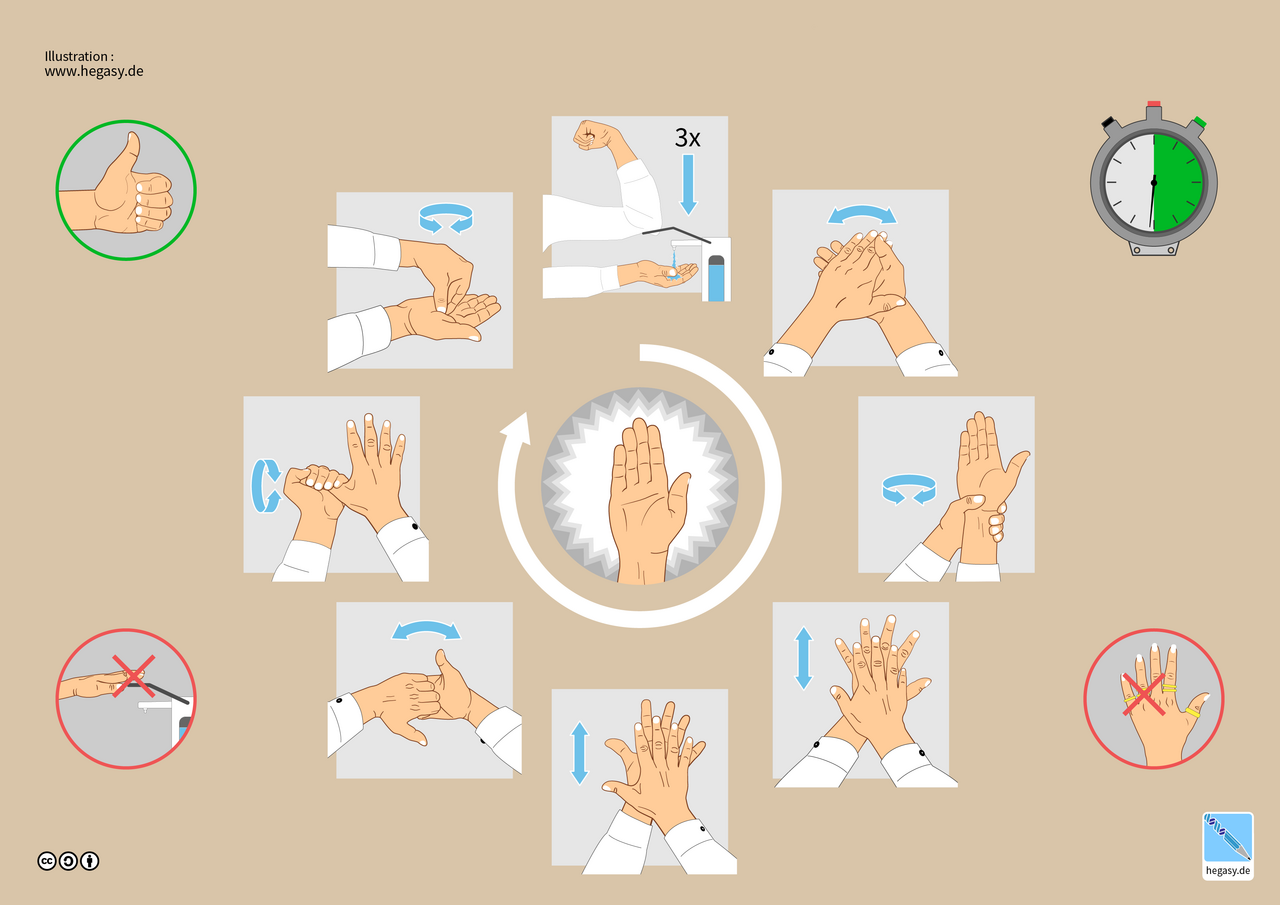
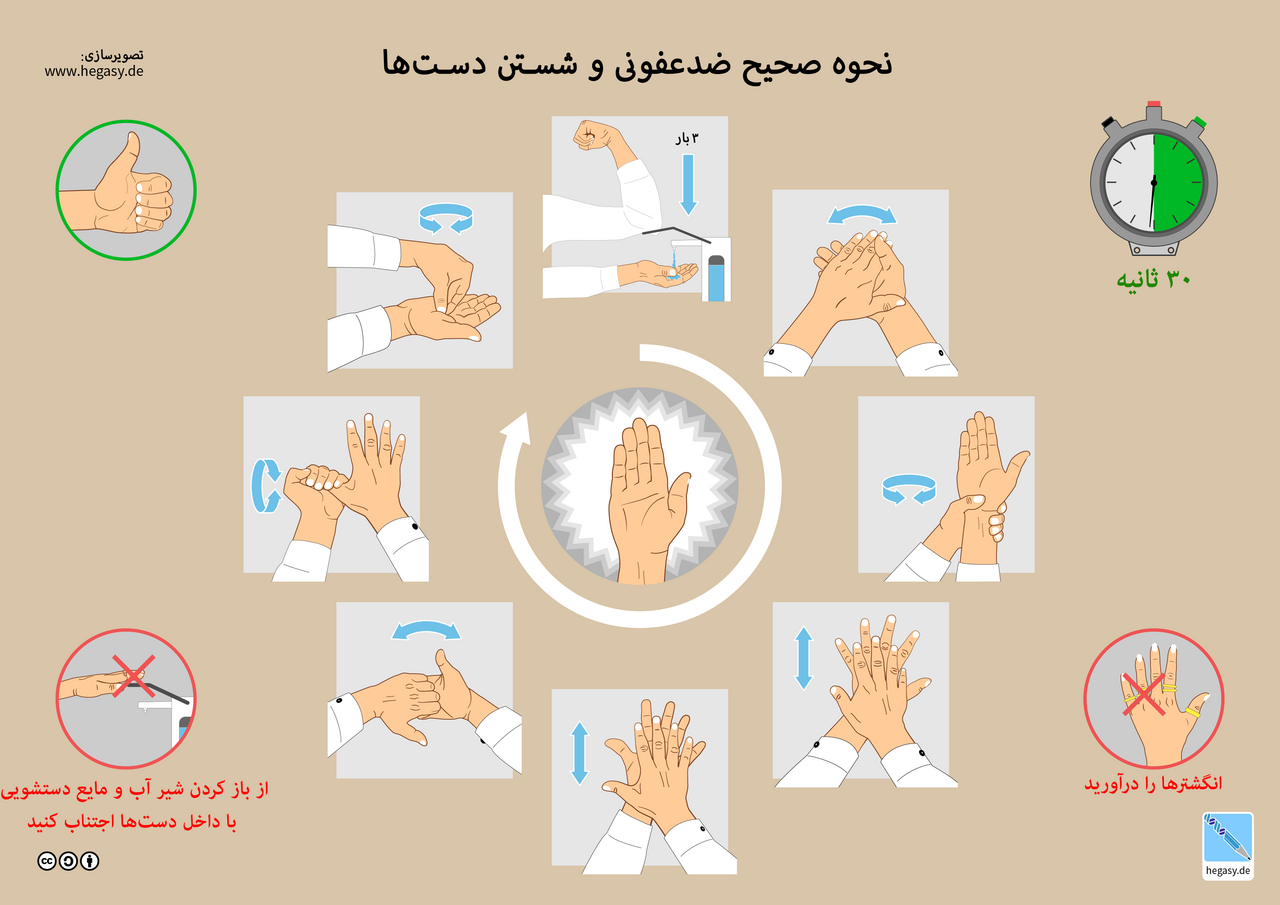
- The most commonly missed areas when washing hands are the thumb, wrist, areas between fingers, and under fingernails.
- Frequent hand washing can lead to contact dermatitis, especially among health-care workers.
The Mechanics of Effective Hand Cleaning
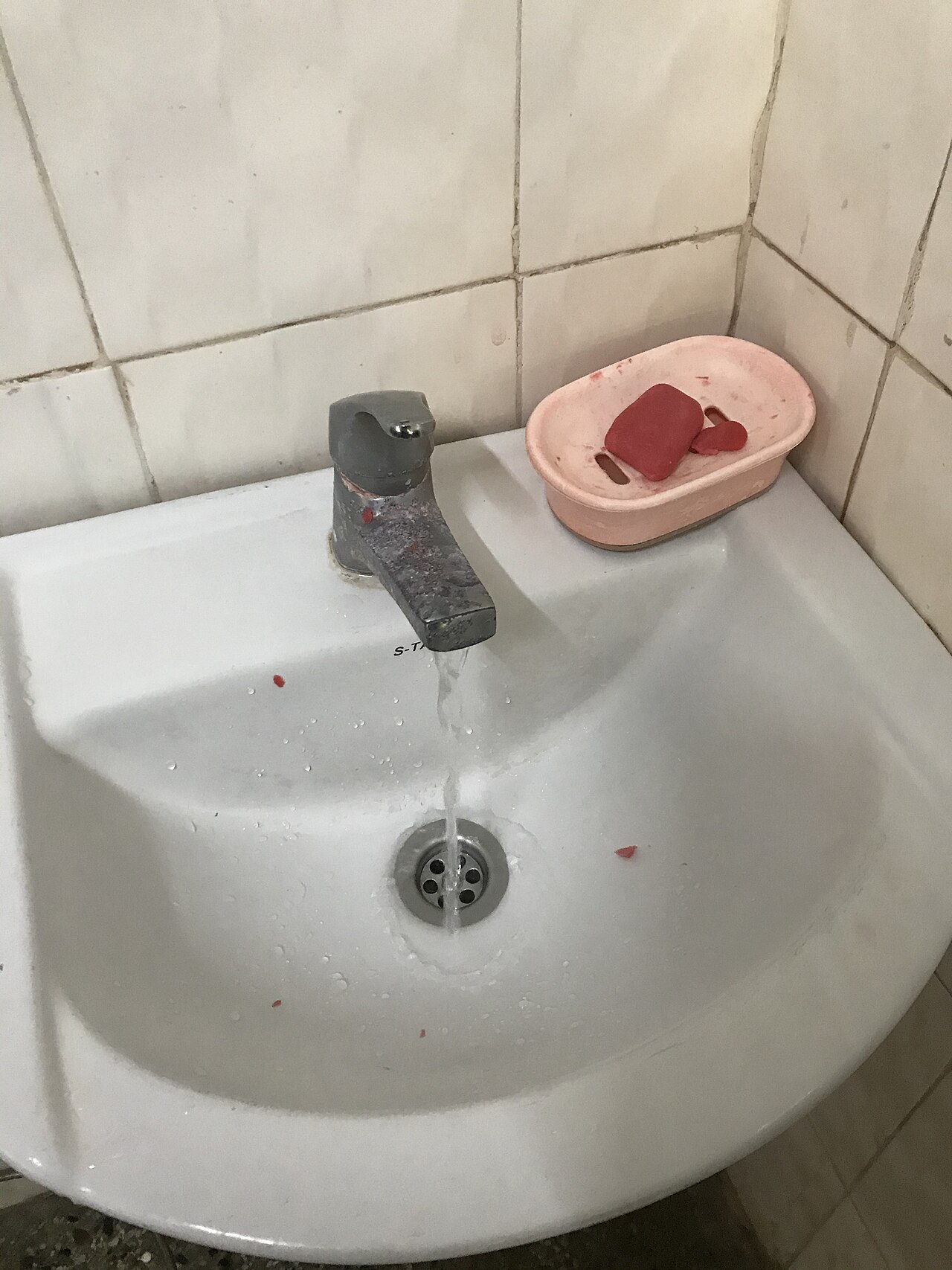
Proper hand washing follows a deliberate sequence designed to maximize pathogen removal. The process begins by wetting hands under running water—standing basins are discouraged because they risk recontamination. A generous amount of soap is then worked across every surface: the palms, backs of the hands, the spaces between fingers, and the undersides of nails. Soap serves a critical mechanical role, lifting bacteria and viruses from the skin, and research indicates that people naturally scrub more thoroughly when soap is present compared to water alone. The scrubbing phase must last at least twenty seconds, as the friction generated is what physically dislodges microorganisms, and longer durations remove progressively more. After rinsing under a fresh stream of water, hands should be dried with a clean towel or left to air dry, since damp skin is far more susceptible to picking up new contaminants. The thumb, wrist, interdigital spaces, and nail beds are the areas most frequently neglected, and artificial nails or chipped polish can create hidden reservoirs for microbes.
A Lifesaving Intervention on a Global Scale
Few public health measures rival hand washing with soap in both cost-effectiveness and reach. Meta-analyses confirm that consistent hand hygiene in community settings produces substantial reductions in both respiratory and gastrointestinal infections. In low-income regions, promoting this simple habit can cut childhood mortality from diarrheal and respiratory diseases by nearly half, and interventions focused on hand washing have been shown to reduce diarrhea episodes by roughly a third—a benefit comparable to the introduction of clean water supply. UNICEF has noted that embedding handwashing before meals and after toilet use into daily routine can save more lives than any single vaccine, trimming diarrhea-related deaths by almost fifty percent and acute respiratory infection deaths by a quarter. Pneumonia alone claims an estimated 1.8 million children under five each year, and when combined with diarrhea, these two conditions account for close to 3.5 million child deaths annually. A 2013 study even linked improved handwashing to modest gains in linear growth among young children. Because people touch their faces more than twenty times per hour, the barrier between a contaminated surface and a viral infection can be remarkably short.
Critical Moments and Healthcare Protocols
The World Health Organization identifies five pivotal moments in a typical day when hand washing with soap is essential to interrupt fecal-oral disease transmission: after using the toilet for urination, defecation, or menstrual hygiene; after wiping a child's bottom or changing a diaper; before feeding an infant or young child; before eating; and before and after preparing food or handling raw meat, fish, or poultry. Beyond these core occasions, proper technique is also advised before and after treating a cut or wound, following a sneeze, cough, or nose-blow, after contact with animal waste or live animals, and after handling garbage. In clinical environments, the WHO extends the framework into its Five Moments for Hand Hygiene, requiring cleansing before touching a patient, before performing an aseptic procedure, after any exposure to body fluids, after direct patient contact, and after touching the patient's immediate surroundings. The CDC reinforces that each of these moments calls for at least twenty seconds of active scrubbing, and that the habit should be as automatic as a daily routine—performed in homes, schools, and workplaces worldwide to build a continuous shield against pathogen spread.
Skin Trade-offs and Practical Alternatives
While hand washing is a cornerstone of infection prevention, it carries a notable cost to the skin itself. Repeated washing strips natural oils, leaving hands dry and cracked; a 2012 Danish study specifically linked excessive washing to contact dermatitis, an itchy, flaky condition particularly prevalent among healthcare workers who scrub dozens of times a shift. Paradoxically, damaged skin can become a gateway for further microbial entry, raising the very transmission risk the practice is meant to lower. Applying moisturizing lotion after each wash is therefore widely recommended to preserve the skin barrier. When soap and water are simply unavailable, a hand sanitizer containing at least sixty percent alcohol by volume serves as an effective substitute, provided the hands are not visibly soiled or greasy. In extreme circumstances where neither option exists, rubbing hands with uncontaminated ash and clean water has been suggested, though the evidence for its efficacy against viral or bacterial spread remains uncertain. The overarching lesson is that hand hygiene is not a one-size-fits-all ritual but a spectrum of options, each calibrated to the resources at hand and the level of contamination present.
Gallery

Frequently Asked Questions
Who is Hand washing?
Hand washing, also called hand hygiene, is the everyday practice of scrubbing your hands with soap and water to strip away germs, dirt, and other harmful particles. It sits at the intersection of public health and infection prevention and is championed by major bodies such as the WHO and the CDC.
What are Hand washing's powers/role?
Its core function is to physically remove bacteria, viruses, and other pathogens that would otherwise hitch a ride from one surface or person to another. By doing so, it dramatically lowers the odds of infectious diseases spreading in homes and daily routines.
How does Hand washing's story end?
The process is not truly finished until the hands are thoroughly dried, because damp skin recontaminates far more readily than dry skin. Skipping the drying step can undo a large share of the cleaning benefit.
Why is Hand washing important?
It is widely regarded as one of the simplest yet most effective barriers against the transmission of infectious diseases in everyday life. Both the World Health Organization and the CDC point to it as a cornerstone of public health that measurably saves lives.
How long should Hand washing last?
Health authorities recommend a minimum of twenty seconds of scrubbing so the soap has enough time to break down and lift away pathogens. Rushing the routine shortens its protective effect.
More in Personal Care And Hygiene 1-20
Spotted an error? Know more?
This is a living reference — every entry is fact-audited, and reader corrections feed straight into our audit queue. Suggest an edit · See this site's audit record