
Facial tissue
Disposable paper alternative to cloth handkerchiefs, popularized as Kleenex in the United States.

FacialAnatomyEditor · CC BY 4.0
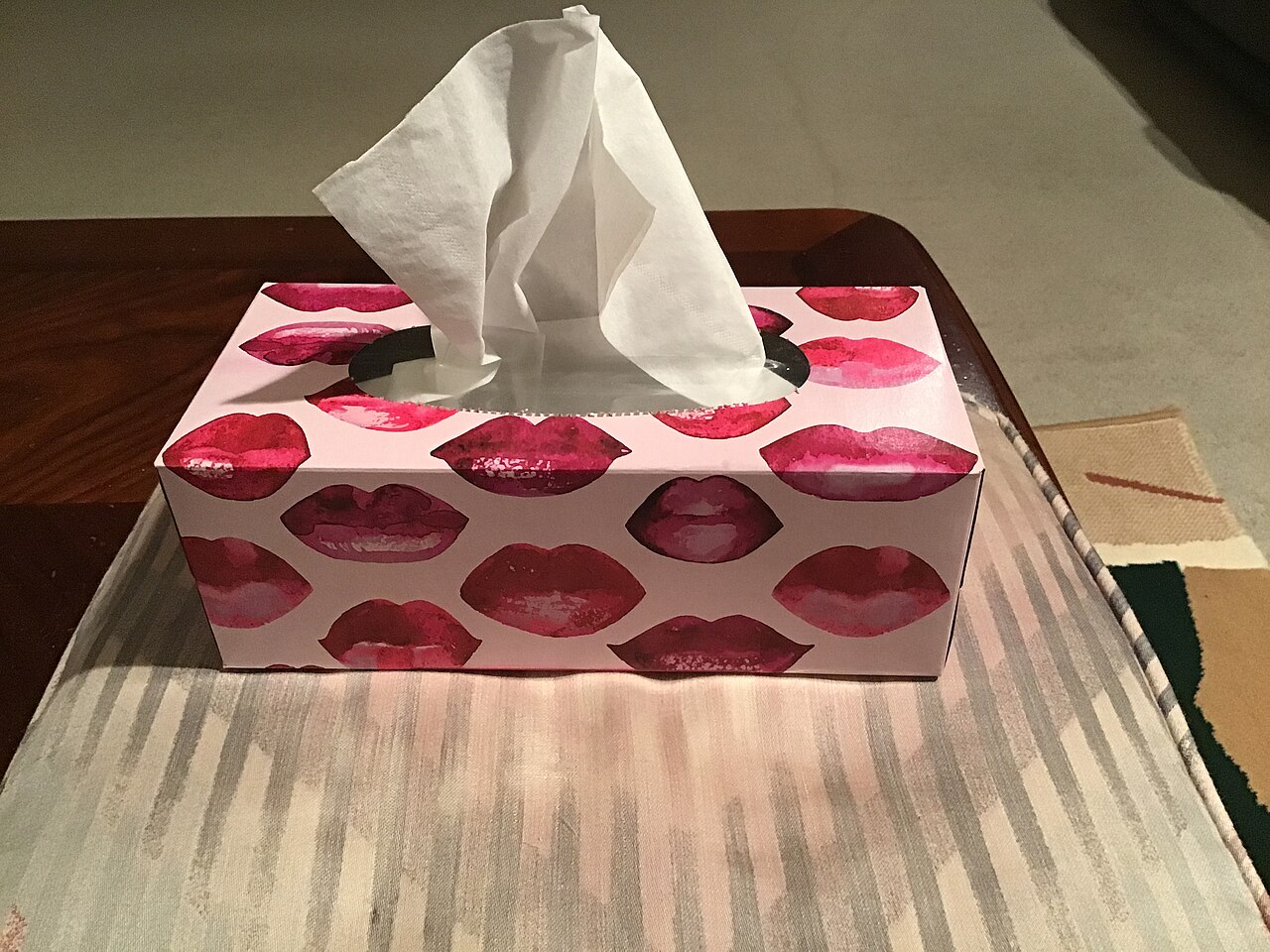
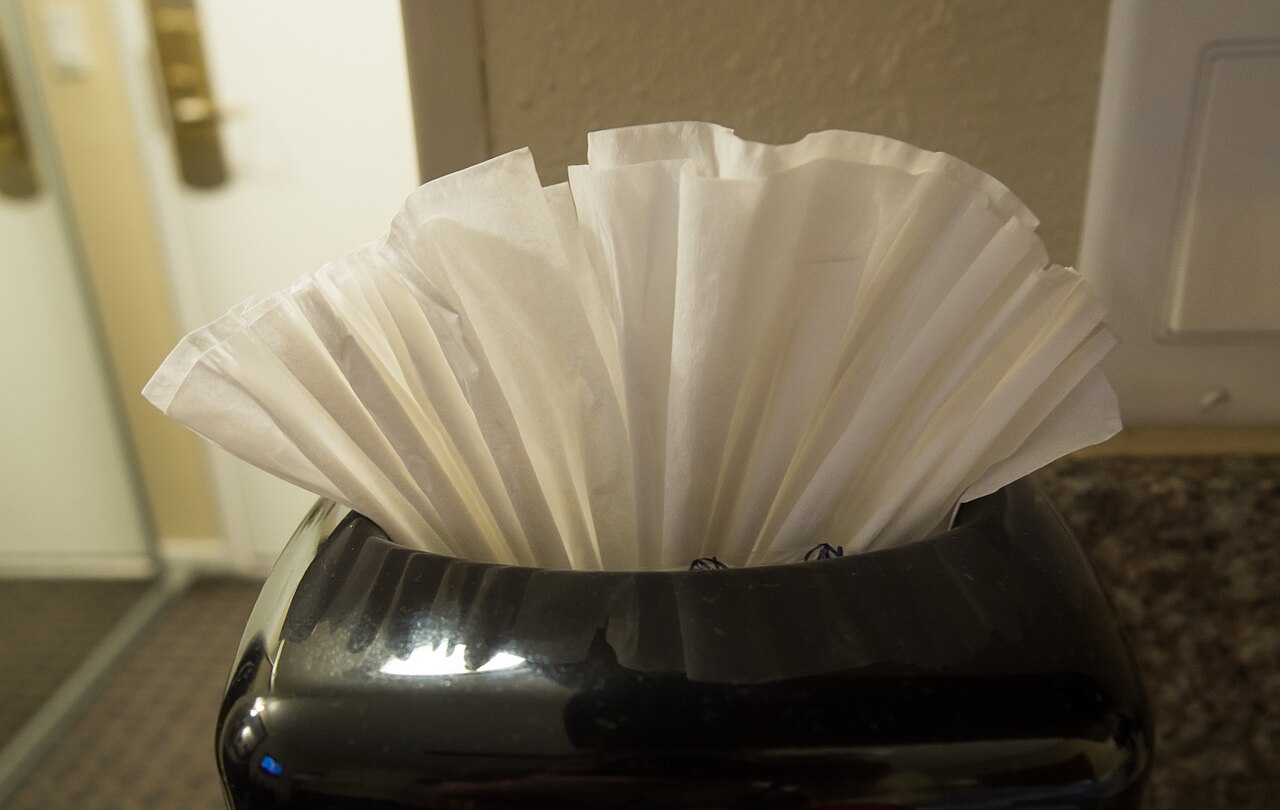
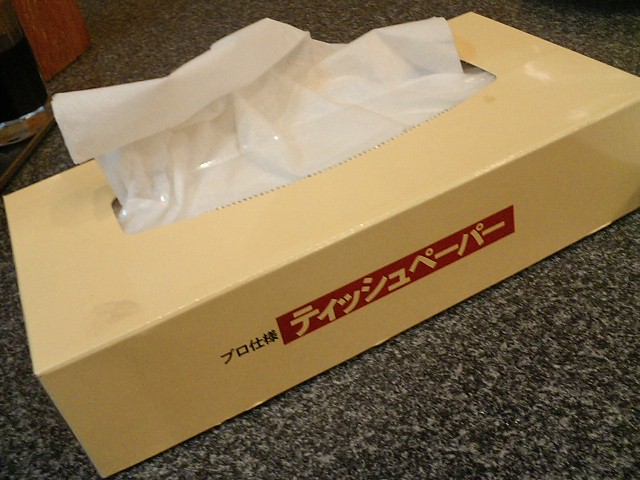
Facial tissue and paper handkerchief refers to a class of soft, absorbent, disposable papers intended for use on the face, serving as a disposable alternative to cloth handkerchiefs. These terms frequently describe paper tissue sold in boxes, designed for nose-blowing, though they may also refer to other types such as napkins and wipes. In Canada and the United States, facial tissues are commonly called 'Kleenex,' a brand that popularized the invention after being first marketed in the United States in 1924 by Kimberly-Clark.
- first_known_use
- 17th century (Japan, as washi)
- common_material
- lowest basis weight tissue paper (14–18 g/m2), 2–3 plies
- typical_additives
- softeners, lotions, perfume; may contain non-biodegradable additives for strength
- leading_global_players
- Procter & Gamble, Kimberly-Clark, Essity, Georgia-Pacific, among others
- notable_US_brands
- Puffs, Kleenex, Scotties, Seventh Generation
- notable_non_US_brands
- Tempo, Renova
Lore & Background
Facial tissue has been used for centuries in Japan in the form of washi (Japanese tissue). A 17th-century European account of the voyage of Hasekura Tsunenaga describes the Japanese blowing their noses in soft silky papers the size of a hand, which they never used twice, throwing them on the ground after usage. Early advertisements linked Kleenex to Hollywood makeup departments, with endorsements from movie stars such as Helen Hayes and Jean Harlow.
Reader's Guide
Facial tissue represents a significant shift in personal hygiene and convenience, replacing reusable cloth handkerchiefs with a disposable, hygienic alternative. The product's success led to innovations such as pop-up, colored, printed, pocket, and 3-ply tissues. Facial tissues are manufactured from low basis weight tissue paper (14–18 g/m2), often with 2–3 plies, and may include softeners, lotions, or perfume. They can contain non-biodegradable additives for strength. The global market includes major players like Procter & Gamble, Kimberly-Clark, and Essity, with notable brands such as Puffs, Kleenex, and Scotties in the United States, and Tempo and Renova outside the U.S. The product's legacy is tied to its widespread use as a disposable handkerchief and its role in popularizing the generic trademark 'Kleenex' in North America.
Did You Know?
- Facial tissue has been used for centuries in Japan as washi, as described in a 17th-century European account of Hasekura Tsunenaga's voyage.
- Facial tissue may contain non-biodegradable additives for strength.
Function and Role in Daily Hygiene
Facial tissue occupies a specific niche within the broader family of personal care products, classified under the cleansing products category. Its primary and straightforward purpose is to wipe away nasal discharge, making it a tool for managing one of the body's most common external secretions. Unlike many other cleansing products such as shower gels, body washes, or facial cleansers that remove dirt, excess oil, and impurities from the skin surface, facial tissue addresses a more targeted need. It sits alongside other cleansing items like hand soaps, body lotions, moist towelettes, and exfoliating scrubs in the product taxonomy. As a toiletry, it is used for basic hygiene and cleanliness as part of a daily routine, distinguishing it from cosmetic products designed for beautification or aesthetic enhancement. It is applied to an external part of the body, fitting the general definition of personal care products that are marketed as minimally necessary or as improving overall well-being.
Place in the Broader Personal Care Ecosystem
Facial tissue is one small thread in a vast tapestry of personal care products that modern consumers interact with daily. As of 2025, the average adult in the United States reportedly uses around a dozen personal care products each day, with those products collectively containing more than 110 unique ingredients. Within this ecosystem, facial tissue belongs to the toiletries subset, which focuses on basic hygiene and cleanliness rather than the grooming and beautification goals of cosmetic products. The broader category spans an enormous range of applications, from skin, hair, and nails to lips, teeth, and the mucous membranes of the oral cavity. While most personal care products are rinsed off after use, like shampoos and toothpastes, others such as moisturizers and sunscreens are meant to stay on the body for extended periods. Facial tissue, by contrast, is a single-use item consumed in the moment of need, fitting neither the rinse-off nor the leave-on pattern but rather a disposable, immediate-use model.
Industry Scale and Market Context
The personal care products industry, within which facial tissue is manufactured and sold, represents a global market valued at several hundred billion US dollars as of the early 2020s. This enormous economic sector is driven by a handful of world-leading corporations, including Procter & Gamble, L'Oréal, Johnson & Johnson, Unilever, Colgate-Palmolive, Gillette, Avon, Natura & Co, Kimberly-Clark, and Shiseido. These companies operate across the full spectrum of personal care categories, spanning cleansing, hair care, oral care, sun care, skin hydration, feminine care, hair removal, nail care, eye care, and anal hygiene. Facial tissue, as a cleansing product, sits within this competitive landscape where brands compete on functionality, convenience, and consumer trust. The industry's sheer scale reflects the universal and daily nature of the needs it addresses, from the most basic hygiene routines to more specialized grooming and wellness practices.
Regulatory Landscape and Ingredient Governance
The personal care products that consumers use daily, including items like facial tissue, exist within a regulatory environment that varies dramatically by country. As of 2025, the European Union had banned the inclusion of over 2,400 ingredients in personal care products, while the United States had restricted only 15. This stark contrast highlights how differently nations approach the safety and composition of the products that touch skin, hair, and mucous membranes. The average American adult encounters more than 110 unique ingredients across their daily dozen of personal care products, making the regulatory framework a significant factor in consumer safety. Pharmaceutical products are explicitly excluded from the personal care category, drawing a clear line between therapeutic and hygiene-oriented items. For a product as simple as facial tissue, which is applied to external parts of the body and used for basic cleanliness, the regulatory context still matters in ensuring that materials and any additives meet the safety standards of the market in which it is sold.
Gallery


Frequently Asked Questions
Who is Facial tissue?
Facial tissue is a class of soft, absorbent, disposable paper products designed for use on the face, most commonly for blowing one's nose. It serves as a throwaway replacement for traditional cloth handkerchiefs and is typically sold in boxes.
What are Facial tissue's powers/role?
Its primary function is to absorb mucus, tears, or other moisture from the face in a single-use, hygienic manner. The paper is made from very low-weight tissue (around 14–18 g/m²) in two or three plies, often with softeners or lotions added for comfort.
How does Facial tissue's story end?
After a single use, the tissue is discarded and ultimately decomposes or is recycled, though some products contain non-biodegradable additives for added strength. Its entire lifecycle is built around disposability, unlike reusable cloth handkerchiefs.
Why is Facial tissue important?
It revolutionized personal hygiene by offering a convenient, single-use alternative to shared cloth handkerchiefs, helping reduce the spread of germs. Major global players like Procter & Gamble, Kimberly-Clark, and Essity dominate the market, making it one of the most widely consumed paper products worldwide.
What's Facial tissue's origin story?
The earliest known use of facial tissue dates back to 17th-century Japan, where washi paper served a similar purpose. In the modern era, Kimberly-Clark first marketed what became known as 'Kleenex' in the United States in 1924, eventually turning that brand name into a generic term across North America.
More in Personal Care And Hygiene 1-20
Spotted an error? Know more?
This is a living reference — every entry is fact-audited, and reader corrections feed straight into our audit queue. Suggest an edit · See this site's audit record