
Feminine hygiene
Products for menstrual and vulvovaginal hygiene, both disposable and reusable.

Lajmmoore · CC BY-SA 4.0
Feminine hygiene products are personal care items used for women's hygiene during menstruation, vaginal discharge, or other bodily functions related to the vulva and vagina. They include menstrual hygiene products such as pads, tampons, pantyliners, menstrual cups, sponges, and period panties, as well as cleansing products like douches, wipes, and soap. These products are either disposable or reusable, and their use varies across cultures and individuals.
- types
- Menstrual hygiene products and cleansing products
- disposable_examples
- Menstrual pads, tampons, pantyliners
- reusable_examples
- Menstrual cups, cloth pads, period panties, sponges
- health_risks
- Toxic shock syndrome, irritation, yeast infection, bacterial vaginosis, chemical exposure
Lore & Background
Feminine hygiene products have evolved to address menstruation, vaginal discharge, and cleansing needs. Disposable items like pads and tampons are widely used, while reusable options such as menstrual cups and cloth pads offer sustainable alternatives. The environmental impact varies, with tampons potentially having higher impact due to non-biodegradable materials, and menstrual cups considered the most environmentally friendly.
Reader's Guide
Feminine hygiene products are significant for managing menstruation and vaginal health, but they also carry health considerations. Toxic shock syndrome is a rare illness associated with prolonged tampon use, though not directly linked. Irritation can arise from fragrances or adhesives, and conditions like yeast infections and bacterial vaginosis may occur. The vulvovaginal area is uniquely permeable, making it susceptible to topical agents. Cultural practices influence hygiene choices, with some groups using internal cleansing methods that may disrupt natural flora. Health professionals advise against douching due to risks of altering vaginal pH and flora. The legacy of these products lies in balancing convenience, environmental sustainability, and health safety.
Did You Know?
- Menstrual cups are considered the most environmentally friendly feminine hygiene option.
- Toxic shock syndrome is a rare illness that may occur when tampons are worn for long periods, though not directly linked to tampon use.
- The vulvar skin is more susceptible to topical agents than forearm skin due to increased hydration, occlusion, and friction.
The Product Landscape: Disposable, Reusable, and Beyond
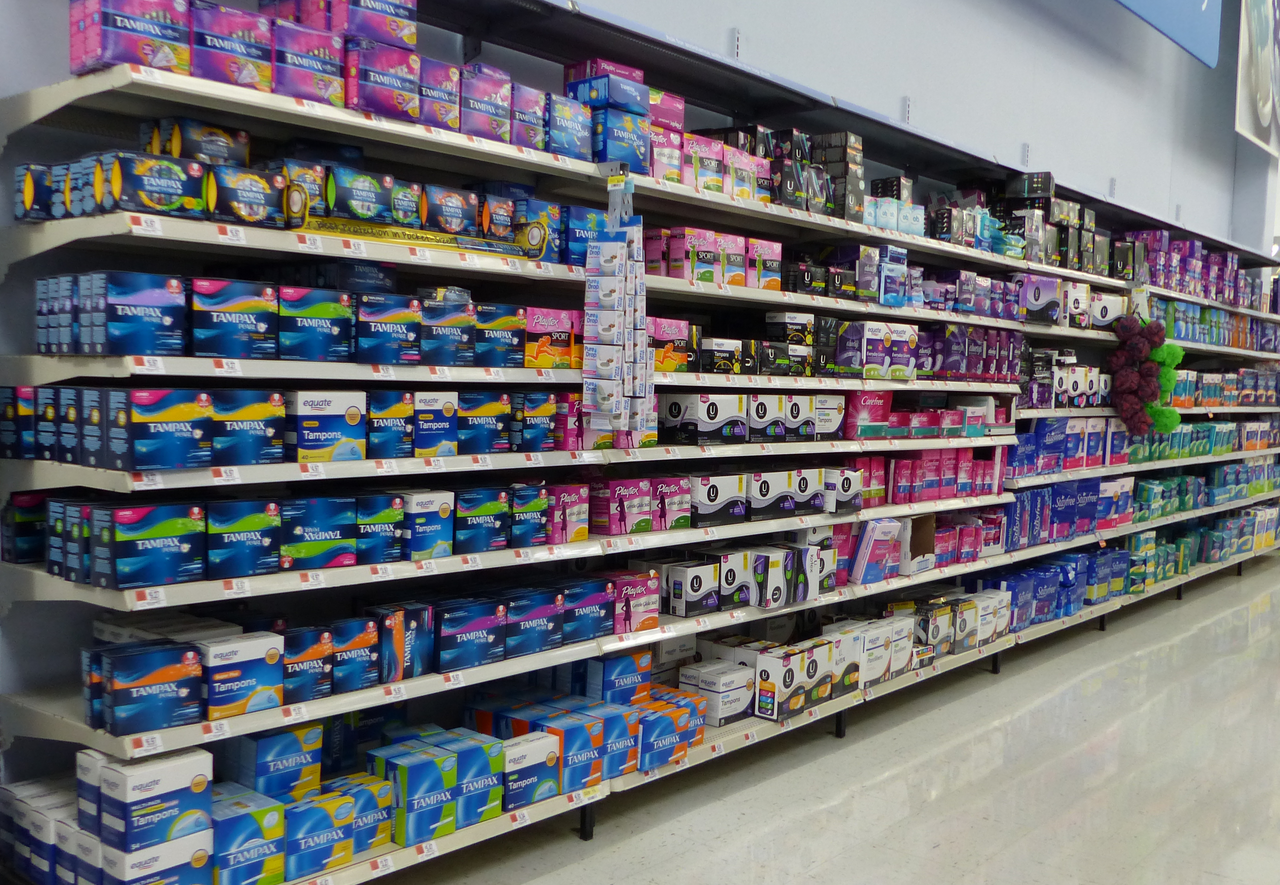
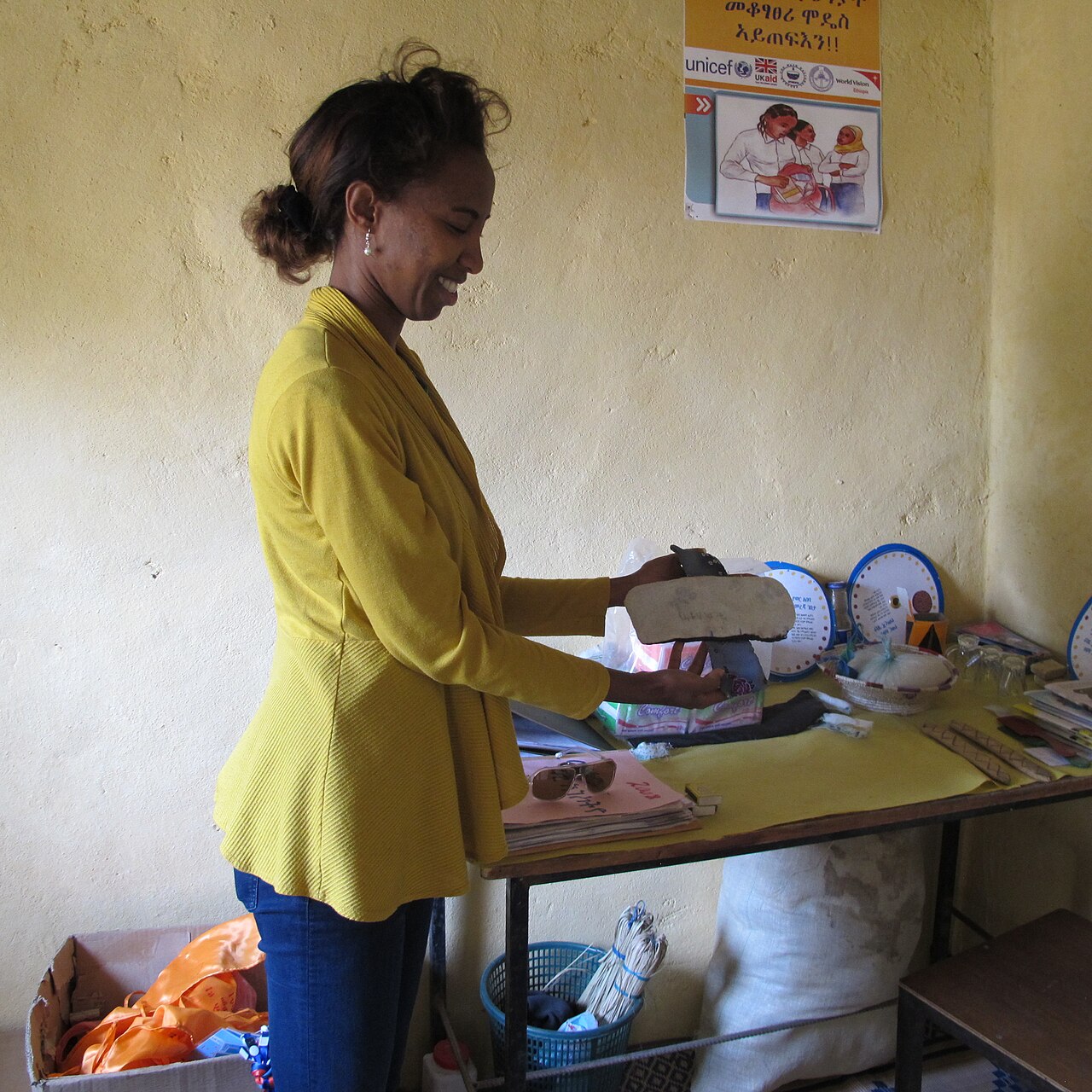
Feminine hygiene encompasses a broad range of personal care items designed for menstruation, vaginal discharge, and vulvar care. The menstrual category divides into disposable and reusable options. Disposable products include sanitary pads—absorbent cellulose sheets worn inside underwear, available in various lengths and absorbencies, sometimes featuring wings or adhesive backing—pantyliners for lighter flow or as tampon supplements, and tampons inserted into the vagina to absorb blood, usable even while swimming. On the reusable side, menstrual cups crafted from silicone, natural rubber, or plastic sit inside the vagina to collect blood and uterine lining, then are emptied, washed, or boiled between uses. Cloth pads made from cotton, flannel, or terry cloth, period panties that either secure pads or absorb flow independently, menstrual sponges, and even simple towels for nighttime use round out the options. A newer entrant, the menstrual disc, is a medical-grade silicone device positioned higher in the vaginal canal, holding fluid for up to twelve hours and lasting over five years. Cleansing products like douches, feminine wipes, and specialized soaps complete the broader category.
The Body's Built-in Defense System
The vulvovaginal region operates as a sophisticated self-cleaning system, a fact with significant implications for how hygiene products are used. The vagina maintains its own defense against harmful microorganisms through normal vaginal flora, an acidic pH, and natural discharge. Resident bacteria keep the environment acidic, outcompete external pathogens for attachment to the vaginal mucosa, and produce antimicrobial compounds such as bacteriocin. In vitro studies of vaginal fluids from five women confirmed activity against non-resident species including Escherichia coli and Group B Streptococcus—the latter being particularly dangerous for pregnant women, as it can lead to preterm delivery, neonatal meningitis, and fetal death. Because of these innate mechanisms, many health professionals advise against douching, which can disrupt the delicate balance of vaginal flora and acidity. The vulvar skin itself differs from other body areas, showing greater hydration, permeability, and susceptibility to topical agents, making it more vulnerable to irritation from fragrances and chemicals found in some hygiene products.
Health Risks and Safety Concerns
While feminine hygiene products serve essential functions, they carry a spectrum of health considerations ranging from well-documented to speculative. Toxic shock syndrome remains a rare but serious concern associated with prolonged tampon use, though it is caused by toxins from Streptococcus pyogenes or Staphylococcus aureus bacteria rather than the tampon material itself. Irritation and inflammation can stem from fragrances, neomycin in pad adhesives, tea tree oil, or benzocaine. Bacterial vaginosis, an overgrowth of naturally occurring bacteria, presents as a uniform white or gray coating on vaginal walls with a fishy odor and a pH above 4.5, and its recurrence is complicated by bacterial adaptive mechanisms and the difficulty of re-establishing normal flora. Yeast infections represent another fungal concern. More recently, class action lawsuits have targeted period underwear brands including Thinx, Ruby Love, and Knix over the presence of per- and polyfluoroalkyl substances, chemicals linked to adverse outcomes such as cancer. These legal challenges highlight growing scrutiny of chemical exposure in everyday intimate products.
Environmental Footprint and Sustainability
The ecological cost of feminine hygiene varies dramatically depending on product choice. Over a lifetime, a menstruating woman in a developed country may use between five thousand and fifteen thousand pads and tampons, generating roughly four hundred pounds of packaging waste. Tampons carry a particularly heavy environmental burden because many incorporate non-biodegradable components such as plastic applicators and synthetic fibers that persist in the environment. In contrast, the menstrual cup is widely regarded as the most environmentally friendly option: a single silicone, rubber, or plastic cup can be emptied, washed, or boiled and reused repeatedly, eliminating the continuous stream of single-use waste. Reusable cloth pads, period panties, sponges, and menstrual discs further reduce landfill contributions by replacing disposable items with washable alternatives. The menstrual disc, for instance, is designed to last over five years, positioning it as both a cost-effective and sustainable choice. Together, these reusable options represent a meaningful shift away from the disposable model that has dominated menstrual care, offering a path toward lower waste and reduced long-term environmental impact.
Gallery

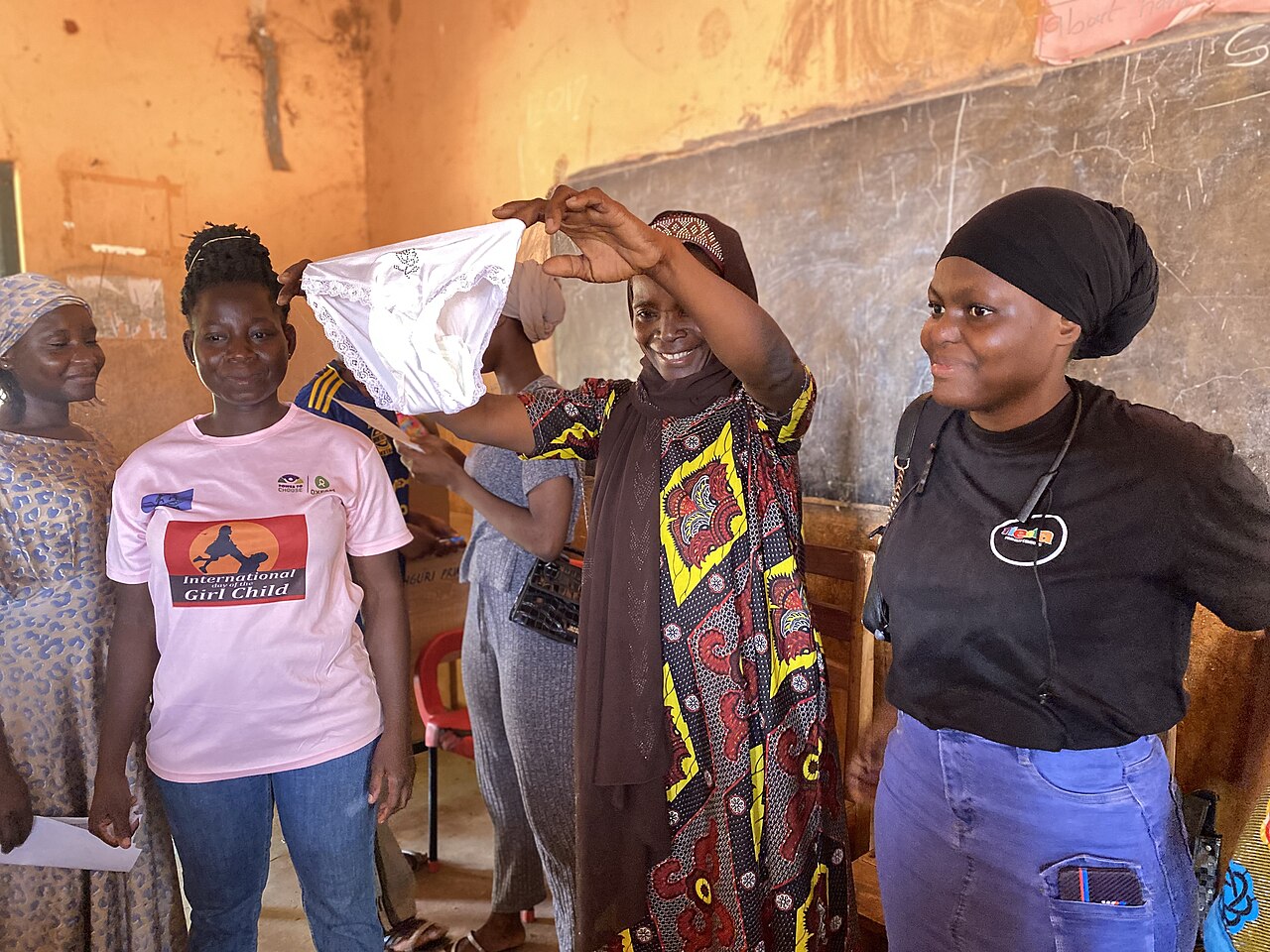
Frequently Asked Questions
Who is Feminine hygiene?
Feminine hygiene is the category of personal care items designed to manage menstruation, vaginal discharge, and general vulvar and vaginal cleanliness. It encompasses both menstrual products and cleansing aids used by people with vulvas.
What are Feminine hygiene's powers or role?
Its role is to absorb or collect menstrual blood and other fluids, and to clean the vulvovaginal area. The lineup splits into menstrual hygiene items (pads, tampons, pantyliners, cups, sponges, period panties) and cleansing items (wipes, douches, soaps), available in disposable or reusable forms.
How does Feminine hygiene's story end?
For disposable members like pads, tampons, and pantyliners, the story concludes when the product is used and discarded. Reusable counterparts—menstrual cups, cloth pads, period panties, and sponges—extend the narrative indefinitely through repeated washing and reuse.
Why is Feminine hygiene important?
It helps maintain personal cleanliness, manage menstrual flow with dignity, and reduce odor or leakage during a person's cycle. Proper use also supports overall vulvovaginal health by keeping the area clean without disrupting its natural balance.
What are Feminine hygiene's known weaknesses or risks?
Improper or prolonged use can lead to toxic shock syndrome, skin irritation, yeast infections, bacterial vaginosis, or unwanted chemical exposure. These risks are a key reason fans and health guides stress correct sizing, timely changes, and choosing products suited to individual sensitivities.
More in Personal Care And Hygiene 1-20
Spotted an error? Know more?
This is a living reference — every entry is fact-audited, and reader corrections feed straight into our audit queue. Suggest an edit · See this site's audit record