
Hair removal
Deliberate removal of body hair across cultures since the Neolithic era.

Secretlondon · CC BY-SA 3.0
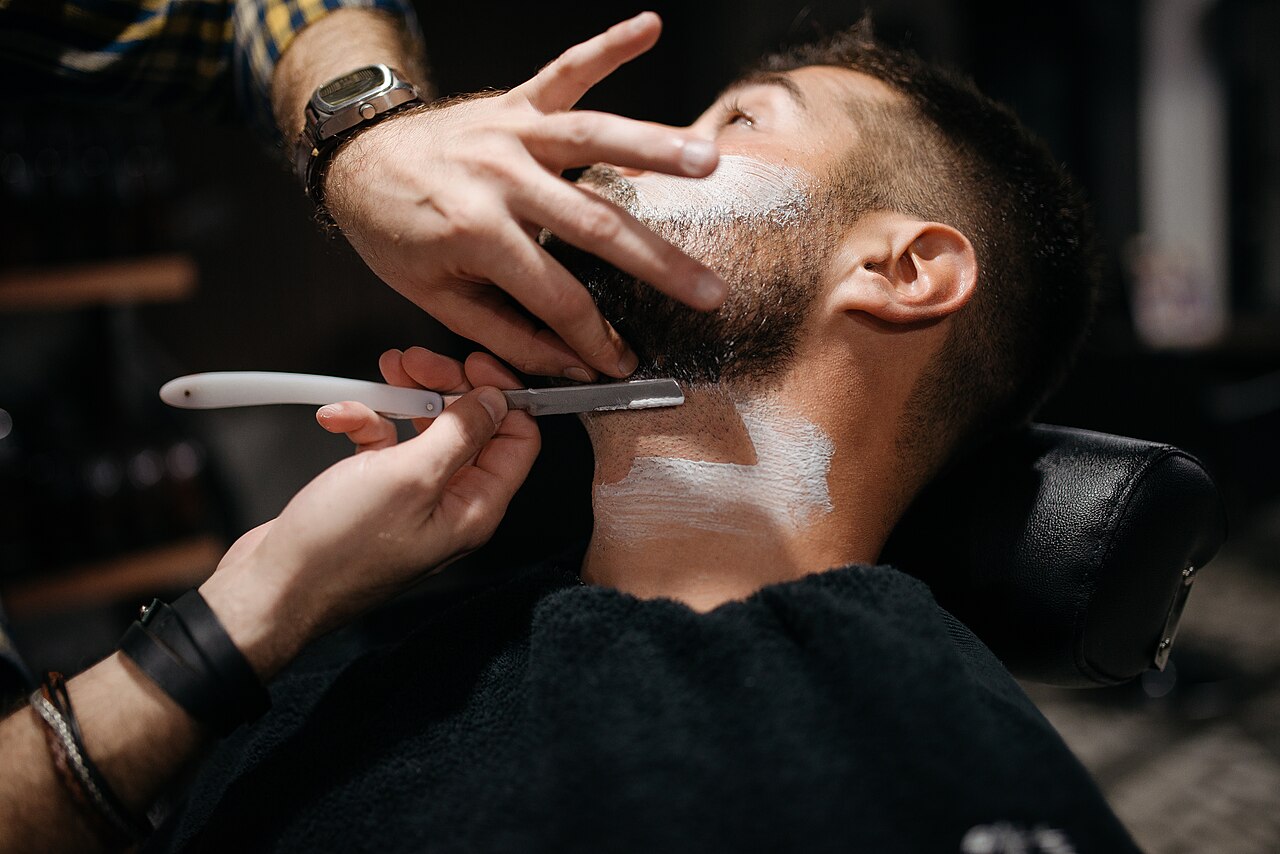
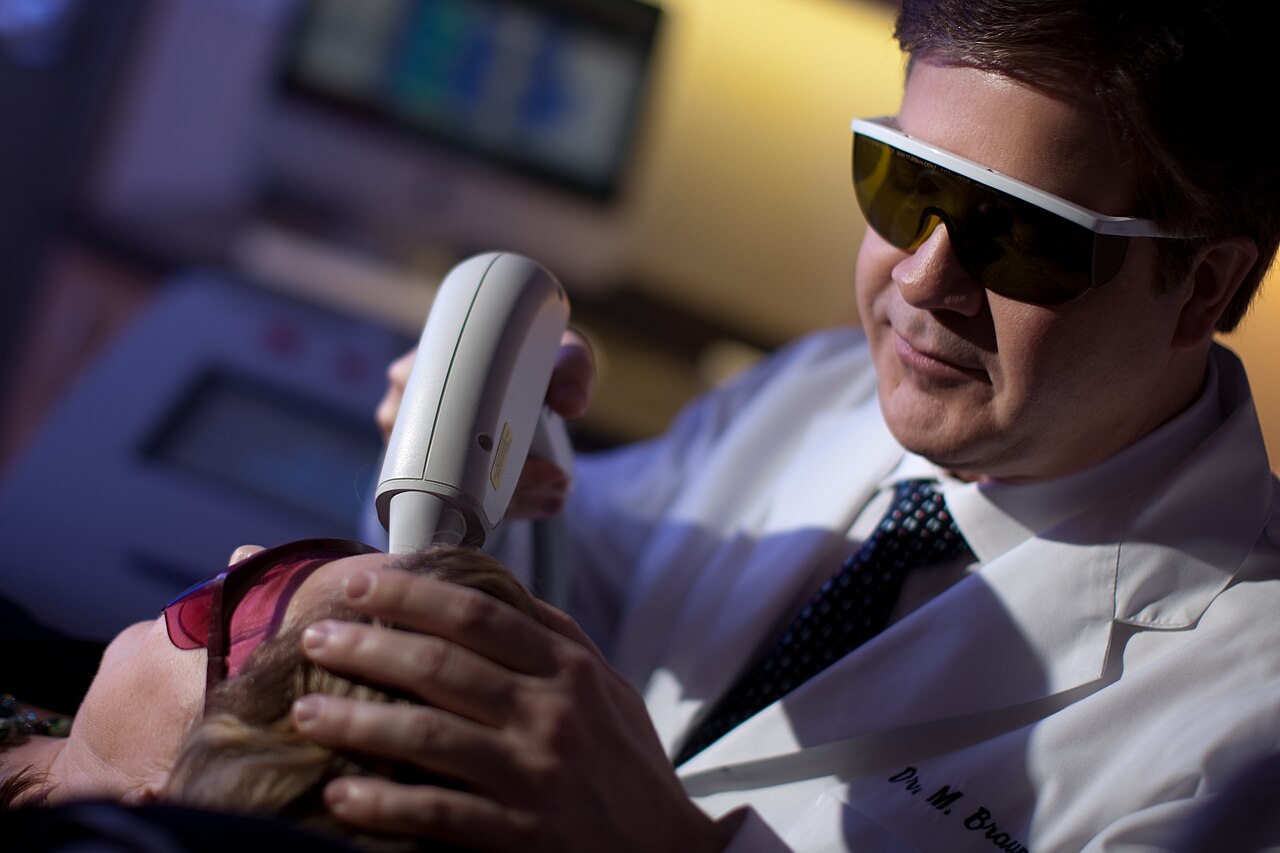
Hair removal is the deliberate removal of body hair or head hair, also known as epilation or depilation. It has been practiced in almost all human cultures since at least the Neolithic era for cultural, aesthetic, hygienic, sexual, medical, or religious reasons.
- field
- Personal grooming and cultural practice
- known_for
- Practiced since the Neolithic era; methods include flint, seashells, beeswax, and depilatory pastes
- earliest_evidence
- Neolithic era
- cultural_scope
- Almost all human cultures
Lore & Background
Hair removal has long shaped gender roles, signified social status, and defined notions of femininity and ideal body image. In early periods, hairlessness was often a way to keep the body clean, using flint, seashells, beeswax, and various caustic depilatory substances. Ancient Rome associated smooth skin with purity and superiority, and both men and women removed body hair. Slaves called alipilus attended bathers for this purpose. In Ancient Egypt, hair removal served as a treatment for louse infestation, and priests shaved daily to present a pure body before the gods.
Reader's Guide
Hair removal has been a persistent practice across human history, with methods and social meanings shifting over time. In medieval Europe, Catholic women concealed hair under wimples, while 14th-century ladies plucked forehead hairs to recede the hairline. In the late 19th century, Darwin's theories linked less body hair to being more evolved and sexually attractive, influencing modern notions of female body hair as unwomanly. Today, cultural norms vary widely: in Western societies, most women shave legs and armpits, while in Middle Eastern cultures, unibrows may be considered beautiful. The practice continues to reflect social pressures and aesthetic standards.
Did You Know?
- The term 'depilation' derives from Medieval Latin 'depilatio', from Latin 'depilare' (de- + pilus, meaning 'hair').
- Ancient Egyptian priests shaved or depilated all over daily to present a pure body before the images of the gods.
- In rural India and Iran, a depilatory paste of slaked lime, water, wood-ash, and yellow orpiment is still commonly used to remove pubic hair.
Scope and Classification of Personal Care Products
Personal care products occupy a broad space in consumer goods, encompassing items designed for hygiene, grooming, and aesthetic enhancement. These products are pitched to contemporary consumers either as bare essentials or as enhancements to one's looks and overall sense of well-being. Their application spans numerous external body sites, from skin and hair to nails, lips, the external genital and anal regions, teeth, and the mucous membranes lining the mouth. Within this broad category, toiletries represent a narrower subset focused on basic daily cleanliness, while cosmetic products are distinguished by their purpose of beautification. Notably, pharmaceutical products fall outside this classification entirely. Functionally, the field breaks down into distinct groups: cleansing, hair care, oral care, sun care, skin hydration, feminine care, hair removal, nail care, eye care, and anal hygiene. Usage patterns also vary significantly. The majority of these products — shampoos, bar soaps, toothpastes, shower gels — are rinsed away immediately after application. In contrast, items like moisturizers and sunscreens are formulated to remain on the skin for extended protection.
The Hair Removal Product Category
Hair removal stands as one of the recognized functional categories within the personal care product landscape, positioned alongside cleansing, hair care, oral care, sun care, skin hydration, feminine care, nail care, eye care, and anal hygiene. The products in this group share a single purpose: removing unwanted hair from various parts of the body. The range of options available to consumers is notably diverse, spanning a spectrum of tools and topical formulations. Among the instruments and devices listed in this category are razors, hair clippers, and tweezers, which physically cut or extract hair. Epilators represent another approach to hair removal, while waxing kits offer yet another method for eliminating unwanted hair. On the topical side, depilatory creams — referred to in the industry as hair removal creams — provide a non-instrument-based alternative. For those who favor razor-based methods, the category also encompasses shaving creams, shaving gels, and shaving foams, which are applied to aid the shaving process. Together, this full spectrum of products gives individuals a wide menu of choices for managing body hair according to personal preference, the specific area being treated, and the desired level of convenience.
Market Scale and Industry Players
The personal care products industry operates at a staggering global scale, with a market size reaching several hundred billion US dollars as of the early 2020s. This enormous figure reflects just how deeply embedded these products are in everyday life. A 2025 estimate revealed that the average adult in the United States uses approximately a dozen personal care products on any given day, and those products collectively contain more than 110 unique ingredients. This daily, multi-product routine underscores the sheer volume of raw materials and formulations that flow through the global supply chain. A small group of multinational corporations dominates the competitive landscape. Procter & Gamble, L'Oréal, Johnson & Johnson, Unilever, Colgate-Palmolive, Gillette, Avon, Natura & Co, Kimberly-Clark, and Shiseido are all identified as world-leading companies in the sector. These firms span the full breadth of the category — from cleansing and hair care to oral hygiene, sun protection, and hair removal — and their combined product portfolios touch nearly every functional subcategory. The concentration of market power among these players means that a handful of corporate decisions can influence what ingredients appear on shelves worldwide, what price points consumers encounter, and which product formats gain mainstream visibility.
Regulatory Fragmentation and Ingredient Safety
One of the most striking aspects of the personal care products landscape is the patchwork of regulatory approaches that govern which ingredients may appear in formulations. Because different countries have restricted different sets of ingredients, a product that is legally sold in one market may be prohibited in another. The contrast between the European Union and the United States is particularly stark. As of 2025, the EU has banned the inclusion of over 2,400 ingredients in personal care products, while the United States has restricted only 15. This regulatory divergence has practical consequences for both manufacturers and consumers. Companies operating globally must navigate multiple, sometimes contradictory, ingredient restrictions, meaning a single product line may require different formulations for different markets. For the average consumer, the implication is that the safety profile of a personal care product can vary significantly depending on where it was manufactured and sold. With the average American adult already exposing themselves to more than 110 unique ingredients across a dozen daily products, the question of which ingredients are permitted — and under what regulatory scrutiny — carries substantial weight for public health.
Gallery




Frequently Asked Questions
What is Hair removal in the context of personal care and hygiene?
Hair removal refers to the intentional elimination of body or head hair, a grooming practice also called epilation or depilation. It spans a wide range of techniques and motivations, from aesthetic preference to religious observance.
When does the earliest evidence of Hair removal date back to?
Archaeological traces place the practice in the Neolithic era, making it one of the oldest documented forms of personal grooming. Flint tools, seashell scrapers, and early depilatory pastes all point to deliberate hair removal thousands of years ago.
What methods have been used for Hair removal throughout history?
Ancient practitioners relied on flint blades, seashell scrapers, beeswax strips, and chemical depilatory pastes to remove unwanted hair. These early techniques laid the groundwork for the wide variety of modern removal methods available today.
Why do so many cultures incorporate Hair removal into their routines?
Motivations range across cultural, aesthetic, hygienic, sexual, medical, and religious dimensions, which is why the practice appears in nearly every human society. No single reason accounts for its universality; instead, local traditions layer multiple purposes onto the same act.
What is the broader field that Hair removal belongs to?
It sits within personal grooming and cultural practice, functioning as both a practical hygiene habit and a socially meaningful ritual. Its presence across almost all human cultures underscores its role as a shared element of human self-presentation.
More in Personal Care And Hygiene 1-20
Spotted an error? Know more?
This is a living reference — every entry is fact-audited, and reader corrections feed straight into our audit queue. Suggest an edit · See this site's audit record